





Register to get free articles
Want unlimited access? View Plans
Already have an account? Sign in
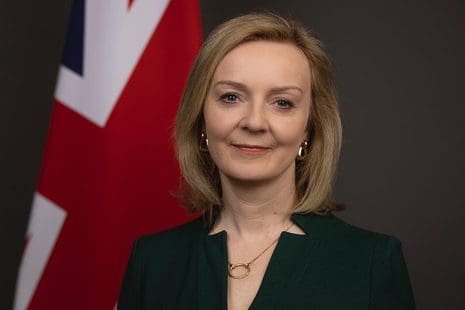
Liz Truss has announced that she is standing down as prime minister after a turbulent week for the government, just six weeks after taking up the premiership.
The statement of her resignation was made at 13:30pm today (20 October) following a meeting between Truss and Sir Graham Brady, chairman of the 1922 committee.
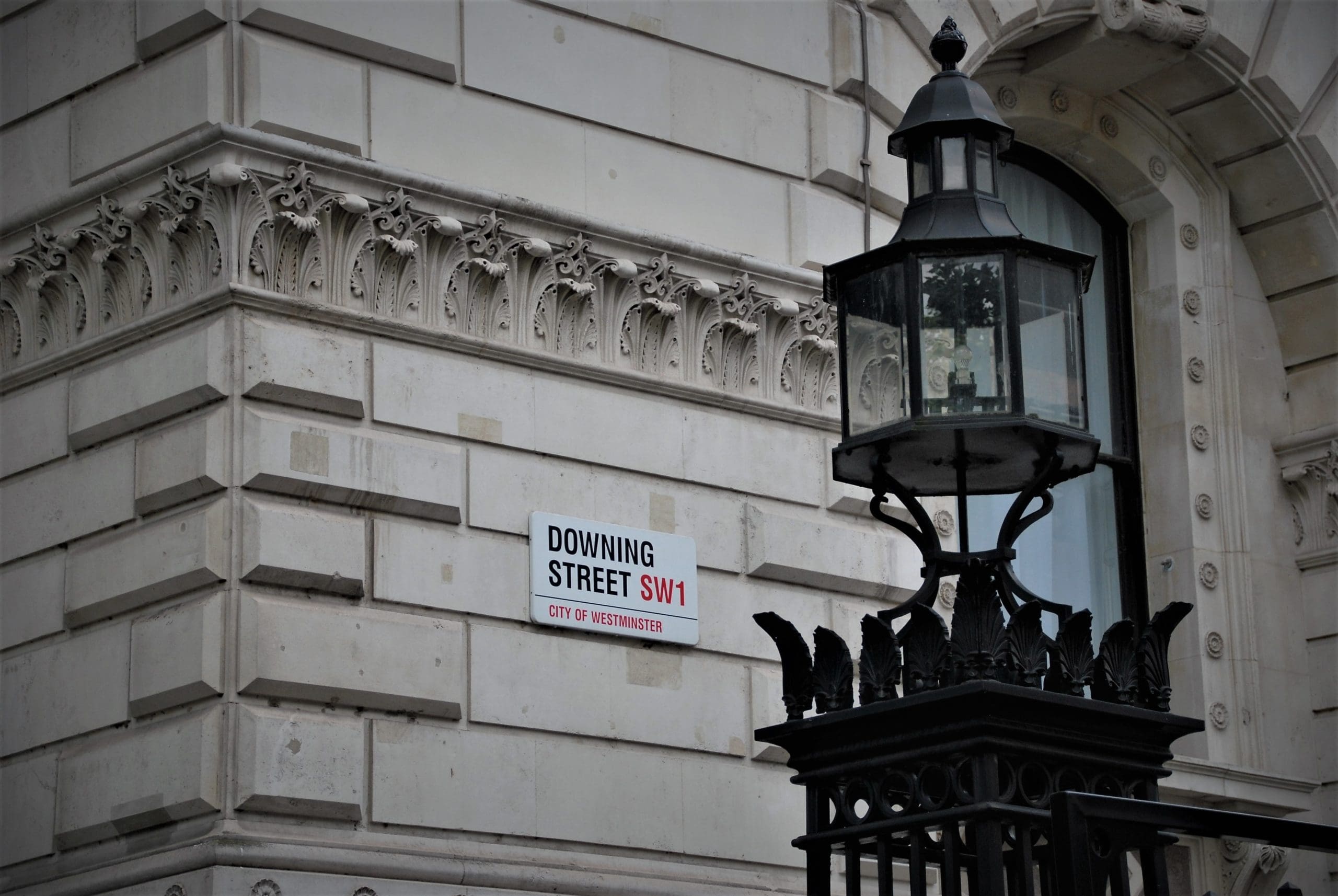
Speaking outside Number 10, Truss said: “I recognise, given the situation, I cannot deliver the mandate for which I have been elected.”
She revealed there will be a leadership election to be completed within the next week, with only MPs voting on the next PM.
She will remain as prime minister until a successor has been chosen.
It comes following mounting pressure from within her own party, with seventeen Tory MPs having already called for the prime minister to resign after she lost the confidence of the party.
The government had faced increasing instability in recent weeks, with a series of U-turns made following the mini-budget of former chancellor Kwasi Kwarteng which led to market turmoil and the pound falling to a 37-year low against the dollar.
Earlier this week, newly appointed chancellor Jeremy Hunt was forced to reverse almost all of the mini-budget commitments made by Kwarteng last month.
He confirmed the basic rate of income tax will remain at 20% “indefinitely” until the economic situation stabilises, marking a U-turn from previous plans to lower the rate to 19%.
According to the new chancellor, the measures announced will raise around £32bn a year.
Hunt has also confirmed that the energy price guarantee will no longer last for two years, and will instead last until April 2023. As part of this alteration, Hunt also revealed a treasury-led review will take place into how people are helped with energy bills from next April with the scheme likely to be more targeted.
Following the leadership contest, which is set to be conducted next week, the prime minister will have a short period to settle into the role before the government is set to announce its next budget on Monday 31 October.