






Register to get free articles
Want unlimited access? View Plans
Already have an account? Sign in
Many young people in the UK have admitted to being ill-equipped to manage money or understand core concepts despite a high demand for financial education, according to an Association of Accounting Technicians (AAT) study of 1,500 16-25-year-olds.
The research found that 25% of people under 25 do not have a debit card and only 50% understand how interest applies to credit cards.
The AAT’s findings have amplified how financial literacy challenges are most acute for young women and those from lower socioeconomic backgrounds, who are less likely to save for later life.
Around 60% of respondents have faced financial difficulties, including overspending, running out of money, or confusion over financial products.
The data also shows that 28% of young people use social media for financial advice, increasing their vulnerability to online misinformation.
In light of this, the association along with Grace Hardy, a Gen Z accountant and founder of Hardy Accounting, have called for formal financial education for those aged five to 19 and credible, verified content on platforms such as TikTok.
The organisations also urged the government to incentivise saving and entrepreneurship while targeting gender and socioeconomic barriers in education.
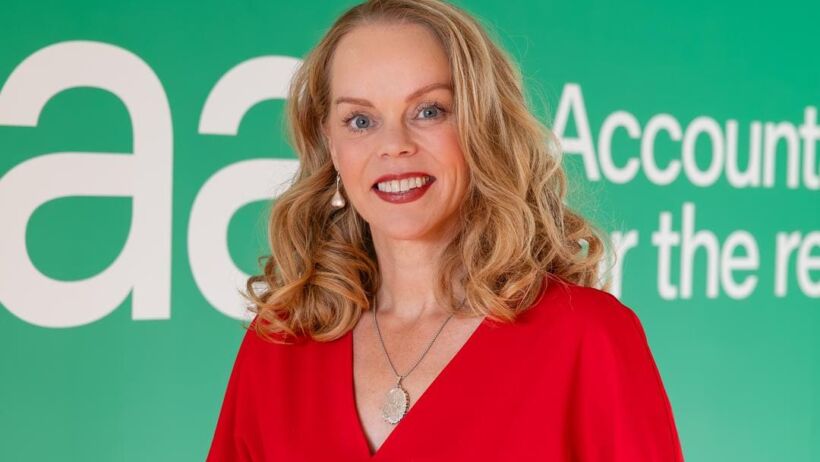
Sarah Beale, chief executive of the AAT, said: “Financial skills shouldn’t be a privilege – they should be part of everyday life for everyone. There’s a clear knowledge gap, but young people are hungry to fill it. The question is how we address that, so it benefits everyone and leaves no one behind, whatever their background or circumstances.
“We need high-quality teaching that is properly funded and supported in schools, trustworthy information reaching young people on the platforms they use, targeted action on the socioeconomic and gender disadvantages that hit hardest, and policies that encourage saving, investing and entrepreneurial ambition.”
Grace Hardy, founder of Hardy Accounting, added: “I speak to thousands of young people every week on social media and the message is clear: they’re desperate for straightforward, trustworthy money advice, but the system has let them down. Misinformation spreads fast online, and without reliable voices cutting through, mistakes become expensive lessons.
“This is why we’re calling for the government to fund and verify credible financial educators to create accurate, engaging content on the platforms where young people are already looking for answers. This would allow government-backed resources such as MoneyHelper to reach those in need and support a demographic that will not benefit from the education reforms coming down the track.”