




Register to get free articles
Want unlimited access? View Plans
Already have an account? Sign in
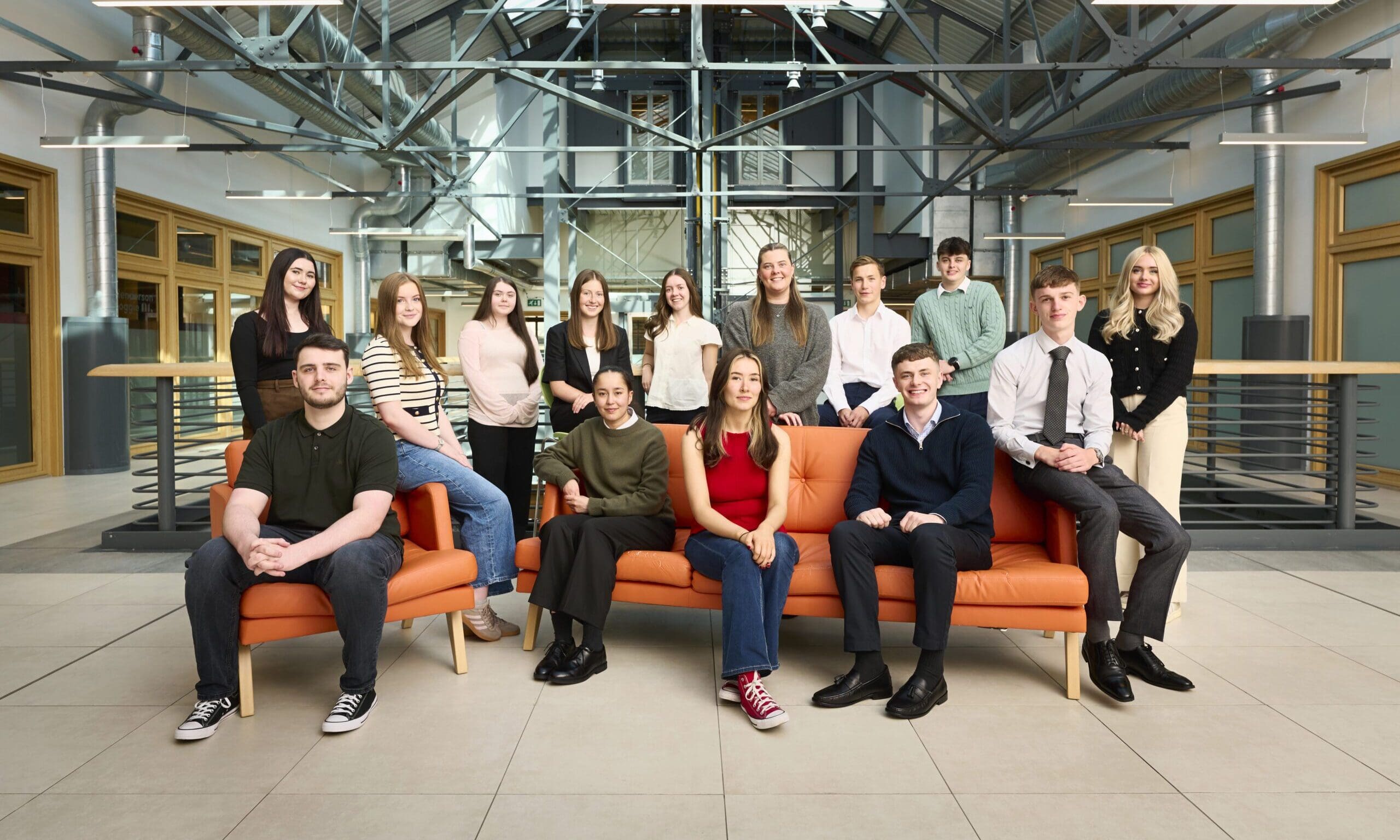
Henderson Loggie is encouraging pupils, parents and career advisors to consider direct entry into professional training as an alternative to university for those pursuing a career in finance.
According to the independent accountancy firm, falling applications to university accounting courses, alongside the rising cost of higher education, had created a space for school leavers to move straight into chartered accountancy training while earning a salary and avoiding student debt.
Fiona Doctor, people partner at Henderson Loggie, said: “School leavers are fundamental to our talent pipeline. By investing in their growth from the outset, we are not only helping individuals achieve their potential – we are also building a stronger local economy and leaving a lasting legacy in the communities we support.”
Diana Penny, audit partner at Henderson Loggie, said: “We value everyone’s academic achievements, but university isn’t the only way to a respected, future-proof career. We train school leavers from day one, giving them real experience, professional qualifications, and a fast track to becoming chartered accountants.
“Technology has transformed the role of accountants. The fundamentals like ethics, rigour, and financial principles remain essential, but the job itself has changed dramatically. Gone are the days of paper files and dusty ledgers. Our teams use automation, AI, and advanced analytics to spot patterns, assess risk, and give clients strategic insights.”
She added: “The best auditors are great communicators. They can explain complex findings clearly, they know how to work with people, and they can adapt quickly especially in remote or hybrid environments. Those communication skills are just as vital as the technical ones.”
The firm said it wanted to recruit trainees who could develop skills in areas such as data tools and cybersecurity, while understanding how AI affects business decision-making.
Penny also encourages pupils and parents to consider the direct training route, saying that a young person doesn’t necessarily need to have a degree to get ahead.