





Register to get free articles
Want unlimited access? View Plans
Already have an account? Sign in
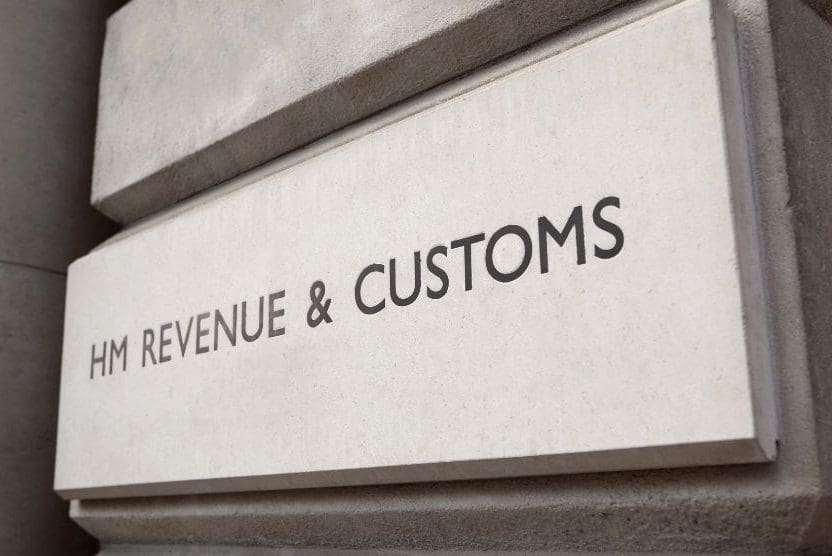
Wbg has warned that HM Revenue and Customs’ (HMRC) revival of its Direct Recovery of Debts (DRD) programme could have damaging effects on households and small businesses.
The DRD scheme allows HMRC to take money directly from bank accounts or cash Individual Savings Accounts (ISAs) of debtors owing more than £1,000.
The initiative, which was paused during the pandemic, has resumed with a “test and learn” phase, targeting individuals and firms HMRC believes can pay but are choosing not to.
Safeguards include leaving at least £5,000 in affected accounts, providing 30 days’ notice, offering a right to object or appeal on hardship grounds, and allowing joint account holders to challenge withdrawals.
Wbg warned it is concerned that HMRC’s assumptions about ability to pay may be “unrealistic”, that sudden withdrawals could destabilise households and small firms, and that appeal rights may be too complex or inaccessible.
Paul McDougall, associate partner and insolvency practitioner at Wbg voiced these concerns about the scheme.
He said: “We support fair tax compliance, but DRD risks sweeping up not only those deliberately withholding payment, but also people already under severe financial strain. The danger is that funds may be withdrawn suddenly, leaving families or businesses unable to meet essential costs.”
McDougall also urged anyone facing HMRC pressure or wider financial difficulties to seek professional advice immediately.
He added: “It is vital to act early. There are legal protections and structured solutions available in Scotland, such as the Debt Arrangement Scheme, Trust Deeds, and Sequestration. The sooner individuals or businesses reach out, the more options remain open – and the greater the chance of avoiding the harshest consequences.”