






Register to get free articles
Want unlimited access? View Plans
Already have an account? Sign in
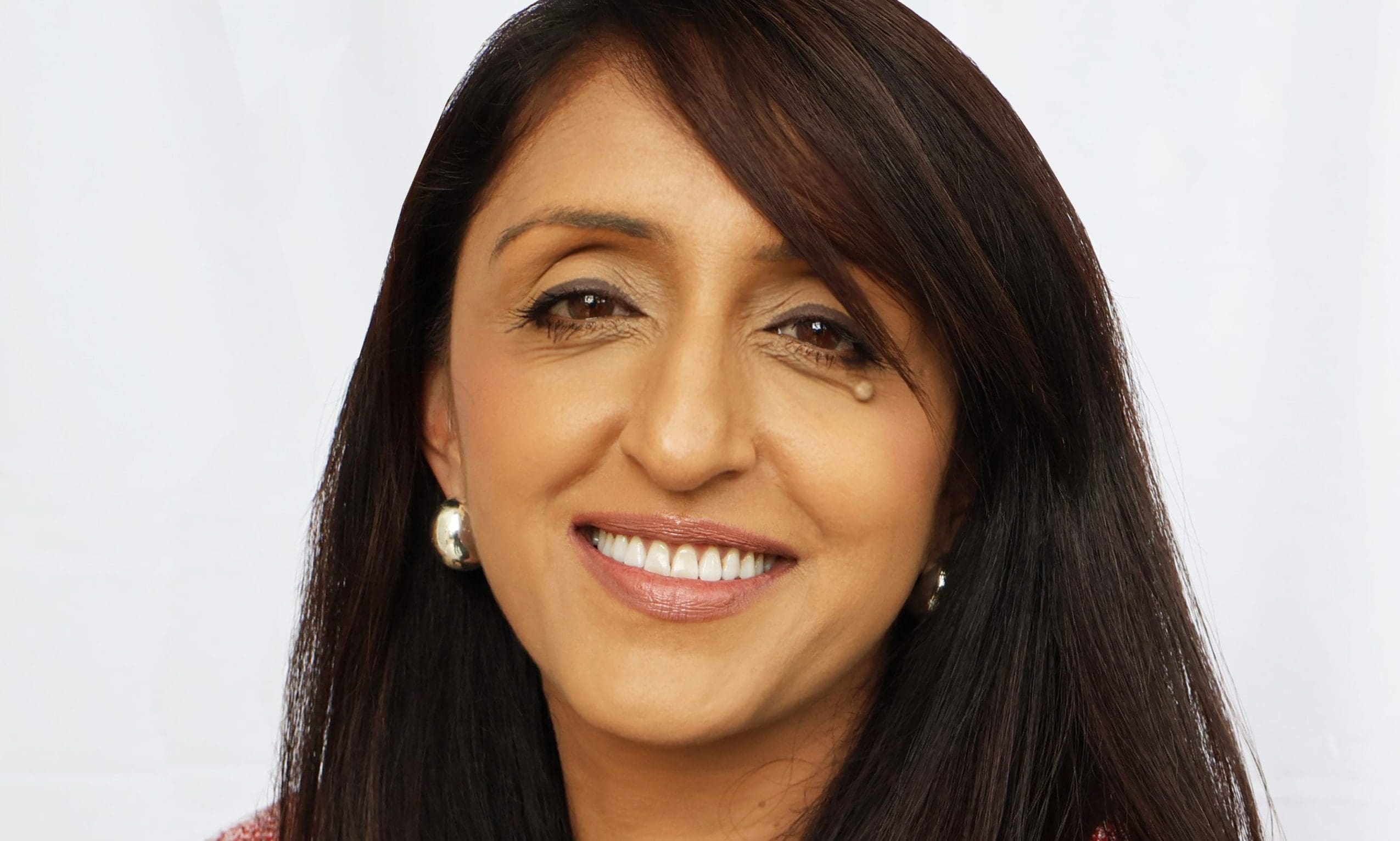
As the war for accountancy talent intensifies, senior professionals are increasingly leaving the Big Four in search of autonomy, ownership, and more entrepreneurial career paths. Dow Schofield Watts (DSW), an AIM-listed, partner-led firm, is positioning itself at the forefront of this shift. Its licensee model allows accountants to run their own businesses while benefiting from national support and centralised expertise. In a sector grappling with staffing shortages, recruitment challenges, and rising retirement rates, CEO Shrutisha Morris sees this approach as a strategic response to the profession’s evolving needs.
A recent global report by outsourcing specialists Advancetrack highlights the scale of the challenge. The 2025 Accounting Talent Index surveyed accountancy leaders across the UK, Australia, and beyond, finding that 94% of respondents believe talent and recruitment will affect their ability to grow. Nearly 40% described the challenge as “significant,” and almost three-quarters reported being constrained from taking on more clients or billing additional hours because they cannot find the right talent.
Demographic pressures compound the problem: 30% of firms now report more people approaching retirement than entering the profession, while 48% say talent shortages have worsened compared with three years ago. Growth is now constrained not by ambition but by skills shortages, underscoring the need for innovative approaches to recruitment and career development.
DSW’s licensee model addresses these pressures by offering accountants independence and a pathway to financial upside within a supportive network. Licensees receive operational freedom while accessing funding, marketing support, compliance guidance, and the credibility of a national brand. The model allows professionals to hit the ground running and scale their businesses without the constraints often found in traditional firms. By aligning incentives and providing structural support, DSW directly addresses the gaps identified in the Advancetrack survey.
Morris, who describes herself as an “accidental CEO,” brings a blend of audit, strategy, and business management experience to the role. A chartered accountant by trade, she began in mid-market audit and gained exposure to entrepreneurial businesses through a secondment at a law firm. Roles in private equity-backed companies and as CFO of a regional law firm further developed her skills in strategy, client management, and leadership, positioning her to take the helm at DSW.
“Even in a law firm, I approached my role as if I were running my own business – focusing on client service, culture, and growth, not just numbers,” she says. “When DSW approached me to lead the business, I was drawn to its focus on empowering professionals while maintaining high standards for clients.”
Founded by James Dow and Jon Schofield, DSW’s licensee model emerged from a clear market need. Many experienced accountants desire autonomy but lack the funding or appetite to break from traditional firms. Dow, formerly a KPMG corporate finance partner, wanted to run his own business but recognised that conventional partnership routes were restrictive. Together with Schofield, they created a corporate finance boutique that offered clients tailored services without the constraints of a large firm.
Today, DSW supports 25 licensees with start-up funding, including interest-free loans for two years, alongside advisory guidance covering marketing, PR, and compliance. Licensees retain operational freedom while benefiting from the national network and brand recognition, providing both independence and the reassurance of professional support.
Balancing licensee independence with consistent client service and network alignment is central to DSW’s approach. Recruitment and assessment are rigorous, ensuring alignment with professional standards and cultural fit. Centralised compliance functions, KYC procedures, and regular network reviews maintain quality across the business. Marketing and PR support safeguards the brand, while operational guidance allows licensees to establish their practices efficiently.
Scaling nationally presents ongoing challenges. Territory management prevents internal competition, and raising awareness of niche service lines remains a priority. Recruitment continues to be difficult, particularly as firms globally compete for the same talent. DSW has invested in a central recruitment team to nurture relationships with potential candidates well before they are ready to move.
DSW’s AIM listing has strengthened its national profile and credibility. While previously well known regionally, the listing provides visibility critical for attracting talent and supporting expansion. Capital raised through the listing enables financial backing for new licensees, reinforcing growth prospects.
Broader industry trends reinforce DSW’s relevance. Ambitious accountants increasingly seek routes offering greater freedom than traditional Big Four partnerships. The Advancetrack survey underscores this: growth constraints, staffing shortages, and evolving partnership structures are reshaping expectations. Morris notes that while autonomy and entrepreneurialism remain important, professionals are also seeking flexible support, client service excellence, and the ability to pursue high-value advisory work.
By not undertaking audit or compliance work, DSW avoids conflicts of interest, allowing licensees to pursue corporate finance and advisory deals without restrictions. Expansion into complementary services such as tax and ESG advisory enables cross-referrals, longer client retention, and higher-margin opportunities, reflecting the broader shift in the profession toward advisory-led services.
“Accountancy is increasingly a people’s business,” Morris observes. “Technical skills are assumed, but real success comes from building strong client relationships. That’s something we encourage at every level.” Her leadership style – open, approachable, and collaborative – supports licensees’ diverse needs, offering intensive guidance where needed and autonomy where preferred.
DSW’s licensee model represents a strategic response to a profession under pressure. By combining independence with national support, providing financial and operational backing, and fostering entrepreneurial growth, the firm offers a blueprint for navigating talent shortages, evolving career expectations, and the shift toward higher-value advisory work.
“More professionals want entrepreneurial career paths rather than remaining in one environment for decades,” Morris concludes. “DSW empowers people to succeed in their own way while remaining connected to a broader, supportive community.”