






Register to get free articles
Want unlimited access? View Plans
Already have an account? Sign in
Over the past two years Xeinadin has completed more than 30 acquisitions expanding its brand across the UK and Ireland. This has included acquisitions of Landmark Accountants in Watford, three Haines Watts offices in the towns of Grimsby, Scunthorpe and Hessle and most recently, JCS Accountants in Surrey, and Mudd Partners LLP in Essex. Why has the firm chosen this route? How does it decide which firms to target? And how does the strategy play into its longer term ambitions?
The theory behind the strategy
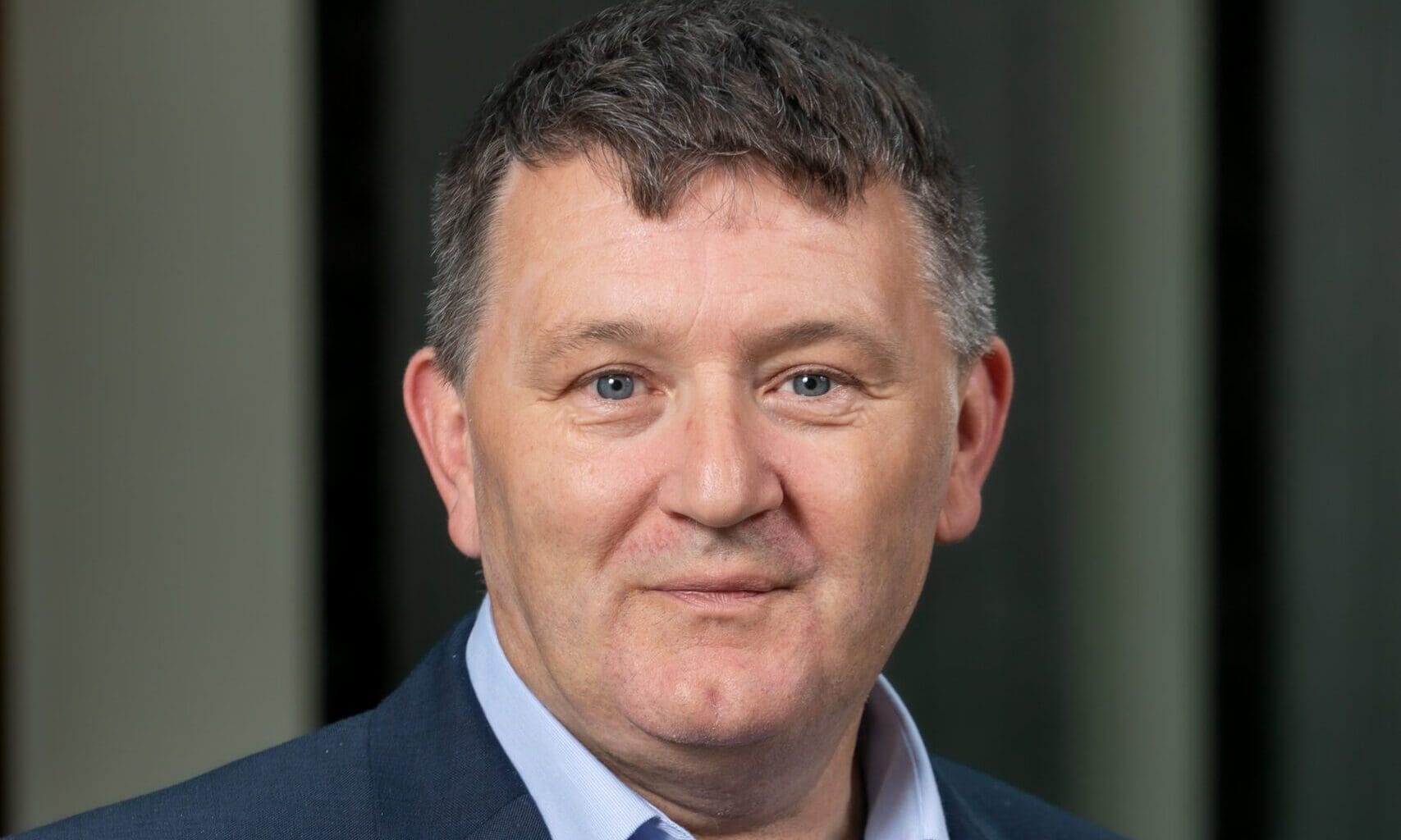
According to Xeinadin CEO Derry Crowley, the strategy of acquisitions is not just about expanding the Xeinadin brand. He believes that the firm is able to help the firms it acquires grow with the help of its software and existing management structures. All Xeinadin offices have access to a central HR function, a central marketing function and a central IT function allowing partners at these offices to focus more on the day-to-day work of the firm, with everything else taken care of.
“We provide entity services and business advice, and we want to be a leading provider with all services. We were fully integrated faculty. When I say fully integrated you don’t run your own practice, and that has to be the way it is, because of our central support services,” Crowley explains.
How Xeinadin decides on targets
For Crowley, the main thing he looks for when deciding on which firms to target is the people and their culture. He states that they need to know all the partners at any potential firm and that the firm in question must be interested in working with and for Xeinadin, rather than looking for a quick cash grab.
It’s also about a strong office culture. Culture is something that is important to Crowley and Xeinadin as a whole so it makes the process of integration much easier if the firm joining Xeinadin already has a strong culture.
“It’s wanting to be part of a larger organisation and being a quality organisation themselves, the two of these things together really have a combination for deciding; could this work for Xeinadin, and could it work for the other firm,” Crowley says.
Alongside this, Crowley states that regional coverage is not a factor which is very important to the strategy. The firm is comfortable with multiple offices in the same region, as long as they are around 30 miles apart. The presence of an existing office in an area does not preclude additional acquisitions.
“If you have an office in an area already, that’s not a reason to look at another office. In fact, two offices within 30 miles of one another gives you an even stronger presence in that 60 mile radius. So that’s what I mean by saying geography doesn’t matter. We could have a lot of smaller offices in the area, and that gives us a great presence,” explains Crowley.
The integration process
Once a deal is complete, the process of actually integrating a company into the wider Xeinadin brand is arguably more important than the terms of the deal. For Crowley, it is more than just changing the sign on the door. He believes strongly that any new firms joining Xeinadin must integrate into the way that the firm wants to work. This harks back to Crowley’s earlier point about culture and people being important to any acquisition strategy. Xeinadin does not expect firms to change overnight though. It allows a few months grace period for everything to change, even just changing IT systems can take time so changing many of the working practices of an already established office takes time.
“There are quite a lot of changes currently, but one thing we do is we give people time to absorb. I would argue, and I think the history of our acquisitions shows, that changes are the reason people should be coming in the first place. Because they want these HR services. As a client grows, they need a bigger level of service and we can offer that you wouldn’t expect a single office to have,” Crowley says.
Simply put, Crowley wants Xenadin to become a leading provider in the accountancy space. He believes that its continued acquisition strategy combined with its integrated software platform will allow it to achieve this feat. For Crowley, commitment to Xeinadin’s entrepreneurial culture and the people within that culture will allow the firm to continue its rapid growth both in the UK and Republic of Ireland.