






Register to get free articles
Want unlimited access? View Plans
Already have an account? Sign in
The number of UK businesses in “critical” financial distress has rocketed 50.2% quarter-on-quarter to 46,853 in Q4 in what has been a “worrying surge”, according to Begbies Traynor. The sharp quarter-on-quarter increase was driven by a “substantial” growth in distress in 21 of the 22 sectors covered by the firm’s Red Flag Alert.
The firm said the growth in distress was particularly concerning in consumer facing sectors, with Hotels and Accommodation (+83.63%), Leisure & Cultural Activities (+76.46%), General Retailers (+47.6%) and Food & Drug Retailers (+37.4%) all increasing “significantly”.
Begbies Traynor also noted there was “worrying growth” in critical financial distress with the Construction (+58.0%) and Real Estate & Property Services (+63.4%) sectors now representing nearly 30% of all the businesses in critical financial distress.
The number of UK businesses in “significant” financial distress meanwhile rose by 3.5% to 654,765, up from 632,756 the prior quarter. Year-on-year, those in significant financial distress increased 21.3%, as all 22 sectors experienced double-digit growth in 2024.
At the end of 2024, the sectors experiencing the highest numbers of businesses in significant financial distress include the Construction (97,603), Support Services (90,375), and Real Estate & Property Services sectors (75,394).
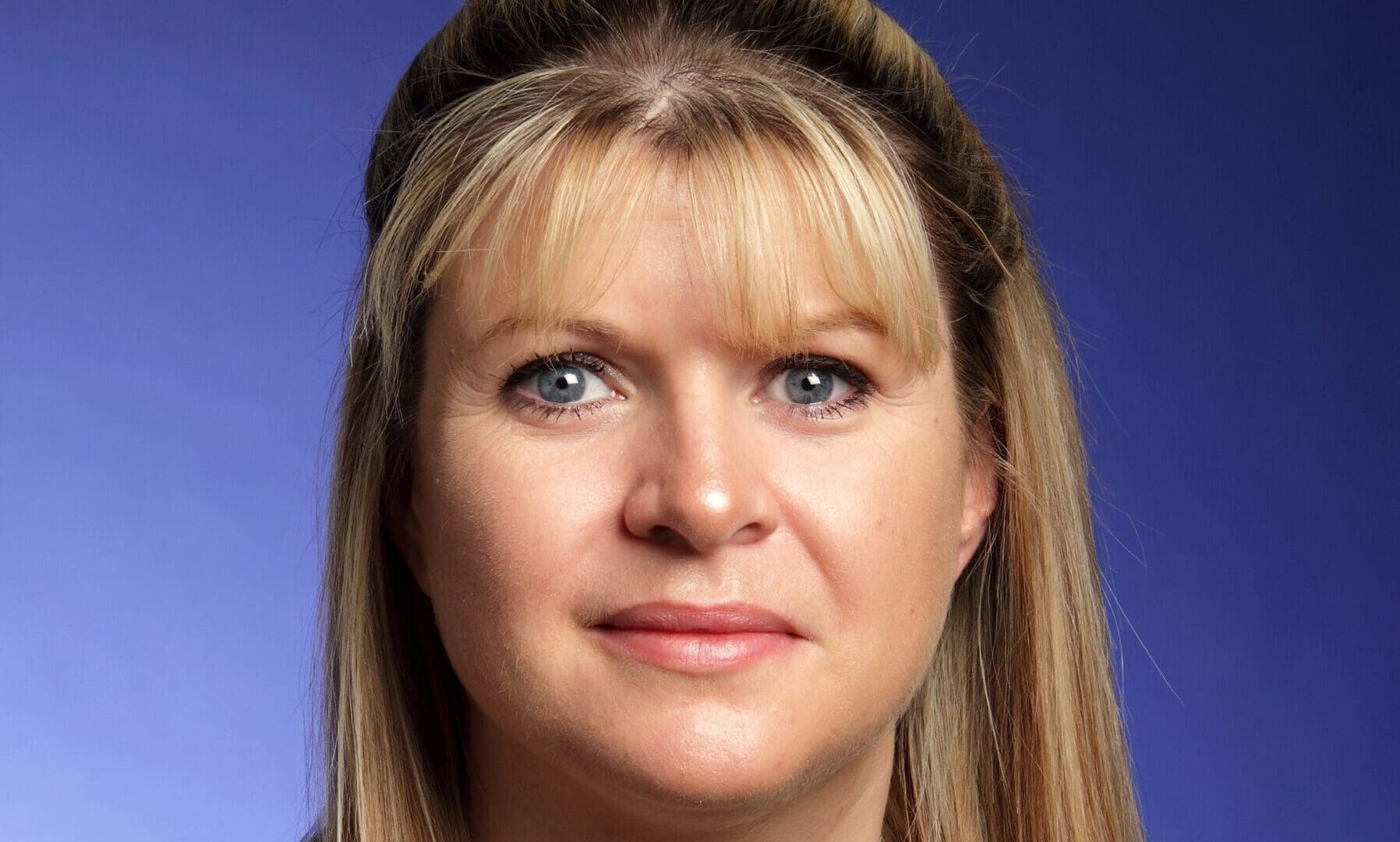
Julie Palmer, partner at Begbies Traynor, said: “As we start a new calendar year, there is very little to be excited about. Across nearly every sector, there has been an unprecedented level of growth in the number of firms who are at serious risk of entering insolvency in the next 12 months. The fact that the distress is being felt across almost every corner of the economy highlights how difficult the outlook is for UK businesses right now.
“After a disappointing Christmas, consumer-facing industries, in particular, are feeling the strain, with rising operational costs and higher wages adding to an already difficult situation. With many such businesses already operating on thin margins, I fear the current situation will undoubtedly push some over the edge.”
Ric Traynor, chairman of Begbies Traynor, added: “After a historic rise in ‘critical’ financial distress in Q4 2024, it’s clear that many distressed UK businesses are finding it almost impossible to navigate the challenges they face as we start 2025.
“For many businesses which were already dealing with weak consumer confidence and higher borrowing costs, the increase in national insurance contributions and the national minimum wage, announced at the last Budget, could be the last straw, particularly in labour-intensive sectors like retail and hospitality, who typically operate on razor thin margins.”
He concluded: “For many of these companies, the situation is dire, and this additional burden will almost certainly result in business leaders taking the decision to, at best, reduce headcount or, worse, wind down their operations in the face of insurmountable challenges. With the possibility of an emergency tax raising Spring Budget still not off the table, combined with likely increases in tariffs from the new US administration, the outlook for the UK is very uncertain.”