





Register to get free articles
Want unlimited access? View Plans
Already have an account? Sign in
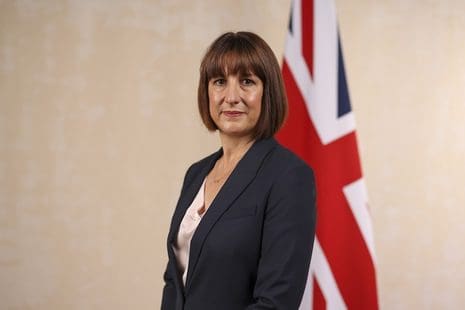
Yesterday (30 October) chancellor Rachel Reeves increased employers’ national insurance contributions in a bid to help raise as much as £40bn in taxes as part of the Autumn Budget.
Employers’ national insurance contributions will rise by 1.2%, from 13.8% to 15%. In addition, the threshold at which businesses start paying national insurance on a worker’s earnings will be lowered from £9,100 to £5,000, a measure that will raise £25bn a year.
Reeves also confirmed that the National Living Wage will rise by 6.7% to £12.21 an hour from April, up from the current pay of £11.44
Michael Nicolaides, head of reward and partner at Deloitte, believes that this change will have a higher impact for employers in low wage sectors such as hospitality, leisure or care.
He said: “Some employers may react to the increase in the cost of employing staff by offering lower pay increases in future years. However, employers in low wage sectors have less scope to defray the increased costs of employment in this way, especially if a large part of their employee population is paid at National Minimum Wage rates, where annual wage increases are statutory.
“Businesses in low-wage sectors that are unable to absorb the higher costs will come under pressure, especially if they are unable to increase prices to maintain profitability.”
The lower and higher main rates of Capital Gains Tax will increase to 18% and 24% respectively for disposals made on or after 30 October 2024. Despite this, the UK will still have the lowest capital gains tax of any country in the G7.
Toby Tallon, tax partner at professional services group Evelyn Partners, said: “These tax changes will leave many business owners questioning whether they should invest their time, energy, risk and money in starting and growing businesses.
“If business owners lose confidence in the government’s economic or fiscal plans, they might decide that striving for that extra growth is not worth it if the rewards are more heavily taxed.”
At the same time, no changes have been announced regarding Corporation Tax which will be capped at 25% for the entire duration of parliament.
Jason Piper, head of Tax and Business Law at ACCA, said: “While it is too early to tell if the frozen rate will attract investment to the UK, the business reaction so far seems to be lukewarm.”
Meanwhile, the chancellor promised that the current 75% discount to business rates for the retail, hospitality and leisure industries in 2025-26, due to expire in April 2025, will be replaced by a discount of 40%, up to a maximum discount of £110,000.
Matt Dalton, consumer sector leader at Forvis Mazars, believes that the 40% relief will “mitigate” the differences in cost base of traditional retailers with bricks and mortar stores versus online retailers.
He said: “The increase in employers’ National Insurance will inevitably add to costs in any sector with a large workforce such as retail and hospitality. The aim of taxing the employer, rather than the employee, is intended to help the end consumer retain more of their purchasing power, although there may be an indirect consequence if future recruitment, retention strategies and expansion plans are impacted, or prices to consumers increase.”
Laura Mair, EY UK&I managing partner for tax and law, added: “From a business perspective, this was a typical post-election Budget, focused more on tightening belts than loosening purse strings and, while investment was a key theme in the chancellor’s speech, some of these measures will represent a challenge for many UK companies.
“Businesses typically respond to such tax increases by restricting pay rises and new hiring, delaying investment or raising prices to pass on the cost. Any of those actions, repeated at scale, risks having a dampening effect on UK growth. The challenge for the chancellor will be how to balance the necessary task of revenue raising whilst also accelerating growth.”