





Register to get free articles
Want unlimited access? View Plans
Already have an account? Sign in
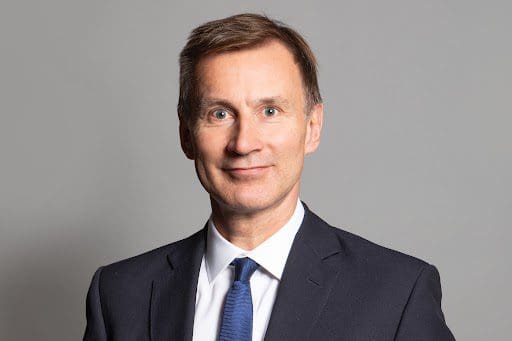
Newly appointed chancellor Jeremy Hunt has reversed almost all of the mini-budget commitments made by previous chancellor Kwasi Kwarteng last month, in a statement made at the Treasury today (17 October).
He confirmed the basic rate of income tax will remain at 20% “indefinitely” until the economic situation stabilises, marking a U-turn from previous plans to lower the rate to 19%.
According to the new chancellor, the measures announced today will raise around £32bn a year.
Hunt has also confirmed that the energy price guarantee will no longer last for two years, and will instead last until April 2023. As part of this alteration, Hunt also revealed a treasury-led review will take place into how people are helped with energy bills from next April with the scheme likely to be more targeted.
Among tax measures reversed are cuts to dividend tax rates, VAT-free shopping for tourists, alcohol duty changes and the IR35 tax changes.
“So whilst we will continue with the abolition of the health and social care levy and stamp duty changes, we will no longer be proceeding with the cuts to dividend tax rates, the reversal of off-payroll working reforms introduced in 2017 and 2021, the new VAT-free shopping scheme for non-UK visitors or the freeze on alcohol duty rates,” Hunt said.
The announcement comes ahead of the medium term fiscal plan, which is set to be revealed in two weeks.
The cut to national insurance is reportedly still set to go ahead, as The Treasury previously said it would save 28 million people an average of £330 per year.