






Register to get free articles
Want unlimited access? View Plans
Already have an account? Sign in
For the clients of financial advisers, the prospect of them retiring is a source of “real” concern, according to new research from wealth manager Investec Wealth and Investment UK.
The study of 535 UK-based consumers with stock market-related investments found that 20% are “very concerned” that their IFA or financial planner will retire, and a further 26% said they are “quite concerned”.
On retirement of their adviser, 61% said they will retain the same firm and use another professional within the company, while 31% said they will find another adviser for themselves and 8% said they will stop using a financial adviser altogether.
The firm has supposed that the concern over losing their adviser to retirement may be heightened by the fact that 21% of people believe their financial planner will retire within the next two years and 41% think this will happen within the next five years.
This comes as a separate Investec Wealth and Investment survey found that 49% of financial advisers and planners have plans to retire within the next five years. About 35% also said they plan to retire by the time they turn 50.
Investec Wealth and Investment’s research reveals that men are much more pessimistic about losing their financial adviser than women, with 52% of men saying they were either “very concerned” or “quite concerned” about the prospect of their adviser retiring, compared to 25% of women.
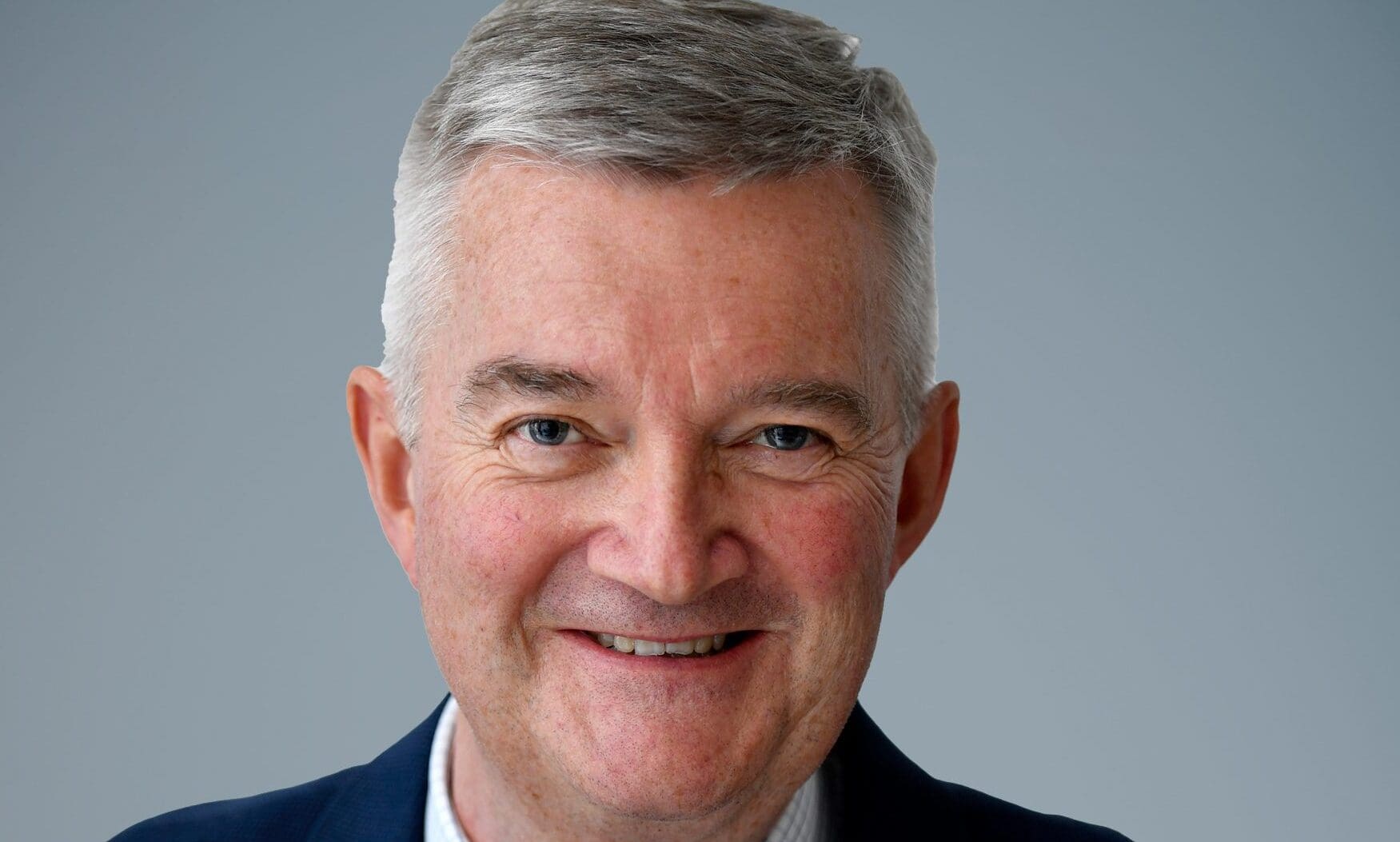
Nick Vaill, senior Investment director at Investec Wealth and Investment UK, said: “It is entirely understandable that clients often find themselves worrying about what will happen to their financial investments and affairs when their adviser retires. They are concerned about losing the personal attention and expertise they have come to rely on and are worried that any change in personnel could disrupt the continuity of their investment strategies.
“However, retirement is part of the natural course of life and most financial advisory organisations will have succession plans in place to ensure the smooth transition of a client’s financial assets to another qualified professional.”
He added: “We have seen the importance of advisers implementing a centralised investment proposition and working in conjunction with a discretionary fund manager to better facilitate the sale of a business or hand over to a new adviser. Advisory models do come with additional administrative burdens and costs which may put off potential acquirers.”