



Register to get free articles
Want unlimited access? View Plans
Already have an account? Sign in
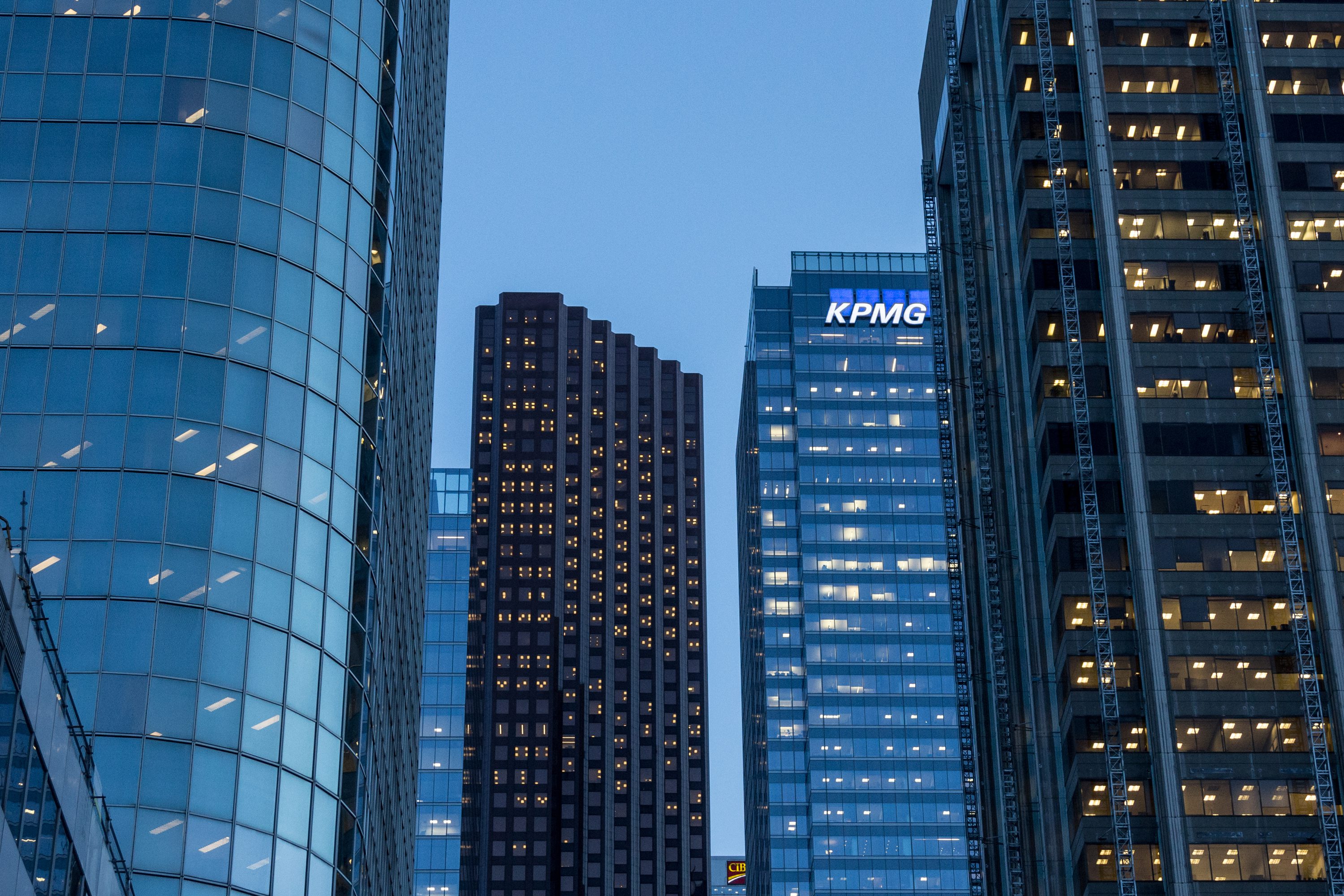
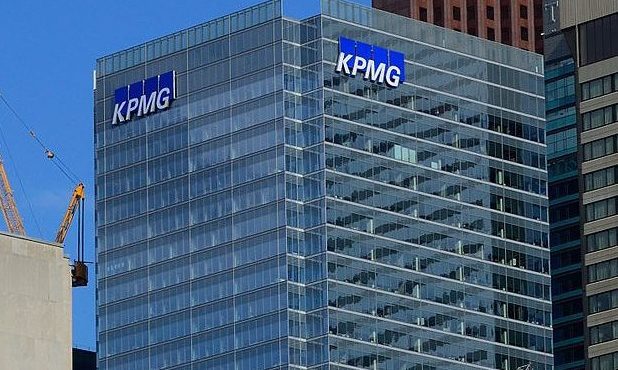
Big four firm KPMG has announced that it will invest £5.5m in its flagship Manchester office at One Peter’s Square.
The firm plans to build Ignition North, a new 25,000sq foot collaborative hub as well as redesigning its wider office space. The new centre will be home to KPMG’s Ignition team.
KPMG stated that the Ignition team will support clients from the start of an idea all the way through to the design, prototyping and development of solutions using a “combination of methods, tools and technologies”.
As part of the redesign, the company is also rethinking the traditional office layout. The space will be repurposed to prioritise meetings, presentations and informal get-togethers between colleagues.
KPMG’s Manchester office is home to 1,200 employees, including more than 260 people in technology roles.
CEO Jon Holt said: “Manchester’s thriving tech centre is a hive of activity and the city has really established its reputation on the world’s stage as a leader in this field. Its strong business community and access to talent makes this the perfect location for us to invest as a firm.
“Our new Ignition Centre in Manchester will support a huge range of incredible businesses in the region and more widely, bringing together insights, people, and technology to accelerate innovation and help them solve some of their most complex problems.”
Warren Middleton, Manchester Office senior partner at KPMG UK, said: “Bringing Ignition to Manchester really demonstrates the potential and growth trajectory of the office and the region more broadly. It’s been fantastic to hear the enthusiasm from our clients and stakeholders about the programme.
“When it comes to the office redesign, we believe it’s important to listen to what people want to see in the space and how they want to use it, so we will be reflecting their thoughts in the changes. Once the work has been completed, the office will feature a range of different workstations, ranging from traditional desks to collaboration tables for teams and informal ‘touch down’ spaces for people who might be in-between meetings.”